Ceiling Leak Water Damage in Sandy, UT
A stain, a sag or a drip from the ceiling means water is sitting above it. The restoration team traces the source, drains and opens the ceiling safely, and dries the cavity and the room below.
(888) 558-4812Get the ceiling leak handled now in Sandy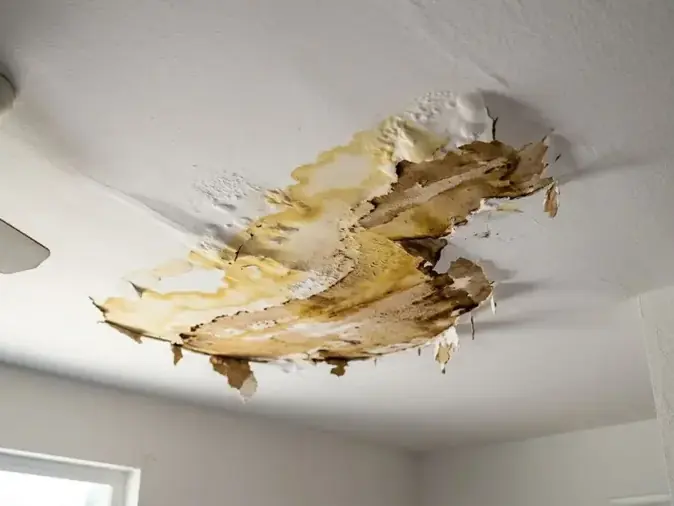
What to do when water comes through the ceiling in Sandy
- Shut off the source Turn off the fixture valve upstairs, or the main if you cannot find it.
- Cut power to that room Switch off the breaker for lights and fans in the wet ceiling.
- Stay out from under a sag Move people and furniture away; a sagging ceiling can drop.
- Catch the drip Set a bucket and towels, and photograph the ceiling and the floor below.
How ceiling leak drying is handled in Sandy, step by step
Mapped before anything moves
The tech who does the walkthrough traces how far the water traveled, including into subfloor, baseboard and wall cavities, so the plan matches what is actually wet.
Dried as a structure
The drying team sizes air movers and LGR dehumidifiers to each room's class of loss, and dries framing and cavities, not just the surfaces you can see.
Documented for the claim
The restoration team keeps a moisture map, daily psychrometric readings and timestamped photos taken before any material comes out.
What does ceiling leak water damage cost in Sandy, UT?
In Sandy, UT, ceiling leak water damage cleanup typically runs $1,000 to $5,500. The range follows how much ceiling drywall and insulation got wet, whether the floor below needs drying, and the category of water.
Small stain, clean water
- Source tracing
- Small access openings
- Cavity drying
Section of ceiling
- Drywall and insulation removal
- Floor drying below
- LGR dehumidifiers
Drain or toilet leak
- Removal of contaminated materials
- Antimicrobial treatment
- Two-level drying
For a planning range on your own loss, try the water damage cost calculator. The restoration contractor who responds sets the real scope after the moisture map.
The ceiling leak drying process in Sandy, UT
- 1
Moisture mapping
The tech who does the walkthrough maps wet materials with pinless meters and a thermal camera before any equipment goes down.
- 2
Extraction
The extraction crew pulls standing water with truck-mounted units, so it leaves the building instead of spreading into the next room.
- 3
Air movers and LGR
Air movers go in at each room's evaporation load while LGR dehumidifiers pull that moisture back out of the air.
- 4
Dry verification
Readings are logged daily, and the drying team pulls equipment only when materials sit within the IICRC S500 drying goal.
Ceiling leaks in Sandy homes usually come from inside the house: an upstairs tub or shower, a toilet supply, a washing machine on the second floor, or a pipe running through the ceiling over a finished basement. Roof and ice dam leaks are a separate problem covered on the ice dam and roof leak page.
Why a wet ceiling needs care
- Saturated drywall gets heavy and can drop without warning, especially when water pools above a sag
- Light fixtures and fans in the wet area can short, so power to that circuit goes off first
- Insulation above a basement ceiling holds water against the drywall and joists
- Water travels along joists and shows up far from the actual source
How a ceiling leak is handled
The tech who does the walkthrough uses a thermal camera and pinless meters to find the full wet area above the stain, then the source gets stopped. The mitigation team drains pooled water through a controlled opening, removes saturated drywall and insulation, and sets air movers and LGR dehumidifiers to dry the joists and the subfloor above. The floor below usually needs extraction and drying too. Daily readings show when the ceiling cavity reaches the drying goal, and repair starts after that.
Ceiling dripping or sagging? Turn off power to that room, keep people out from under it and call.
Call about a ceiling leak in Sandy, (888) 558-4812Leaks that come from drains
A leak from a supply pipe is clean water. A leak from a drain, a shower pan or a toilet is gray or black water, and the ceiling materials it soaked are removed rather than dried. The walkthrough decides which it is. EPA mold guidance explains why wet ceilings need to dry quickly, and EPA WaterSense leak guidance covers common household leaks. See also supply line and appliance leaks.
Water damage help across Sandy and the south valley
The restoration team covers every Sandy ZIP, 84070 and 84090 to 84094, from South Towne to the Bell Canyon trailhead, plus Draper, South Jordan, Midvale and Cottonwood Heights.
See every neighborhood and ZIPRelated water damage services in Sandy
Ceiling Leak Water Damage questions in Sandy, UT
Should I poke a hole in a sagging ceiling?
Only if water is pooling and you can do it safely from the side with a bucket underneath and the power off. Otherwise keep everyone out from under it until the mitigation team arrives.
Does all the wet ceiling drywall need to be replaced?
Not always. Drywall wet from clean water for a short time can sometimes be dried. Sagging, crumbling or contaminated drywall is removed.
Why is the stain far from the bathroom?
Water runs along joists and pipes before it soaks through. The thermal camera finds the real extent of the wet area.
Is a ceiling leak covered by insurance?
Sudden leaks from plumbing are often covered, while slow leaks over months often are not. Coverage depends on your policy, so it is worth checking with your own insurer.
How long does a ceiling cavity take to dry?
Usually three to five days once wet insulation is out and air can move through the cavity.
Can the ceiling leak cause mold?
Yes. Wet insulation and drywall can grow mold within 24 to 48 hours, which is why they are removed or dried quickly.
Ceiling Leak Water Damage in Sandy, day or night
Water keeps moving into drywall, pad and framing until someone pulls it out. The Sandy restoration crew extracts, dries to the S500 goal and documents the loss.
- Sandy, UT and the south valley
- Open 24 hours, 7 days